Careify
A Human-Centered Service Design and AI Integration for Elderly Health Management and Caregiver Support
Role:
Product Designer, UI/UX Designer
Timeline:
Jul 2024 - Jul 2025
Highlights:
One system, two apps: seniors stay independent, caregivers stay informed
Locked interface keeps seniors safe from confusion and distractions
AI assistant delivers smart health insights and friendly support
Medication & health alerts ensure safety and peace of mind
Team:
Product Designer, UI/UX Designer
Tools:
Figma Rhino
Category:
UX Design, Product Design, Service Design, Inclusive Design
Problem:
Millions of older adults struggle with medication management, communication, and maintaining independence. At the same time, caregivers face burnout, uncertainty, and limited visibility into their loved one's well-being.

What is Careify?
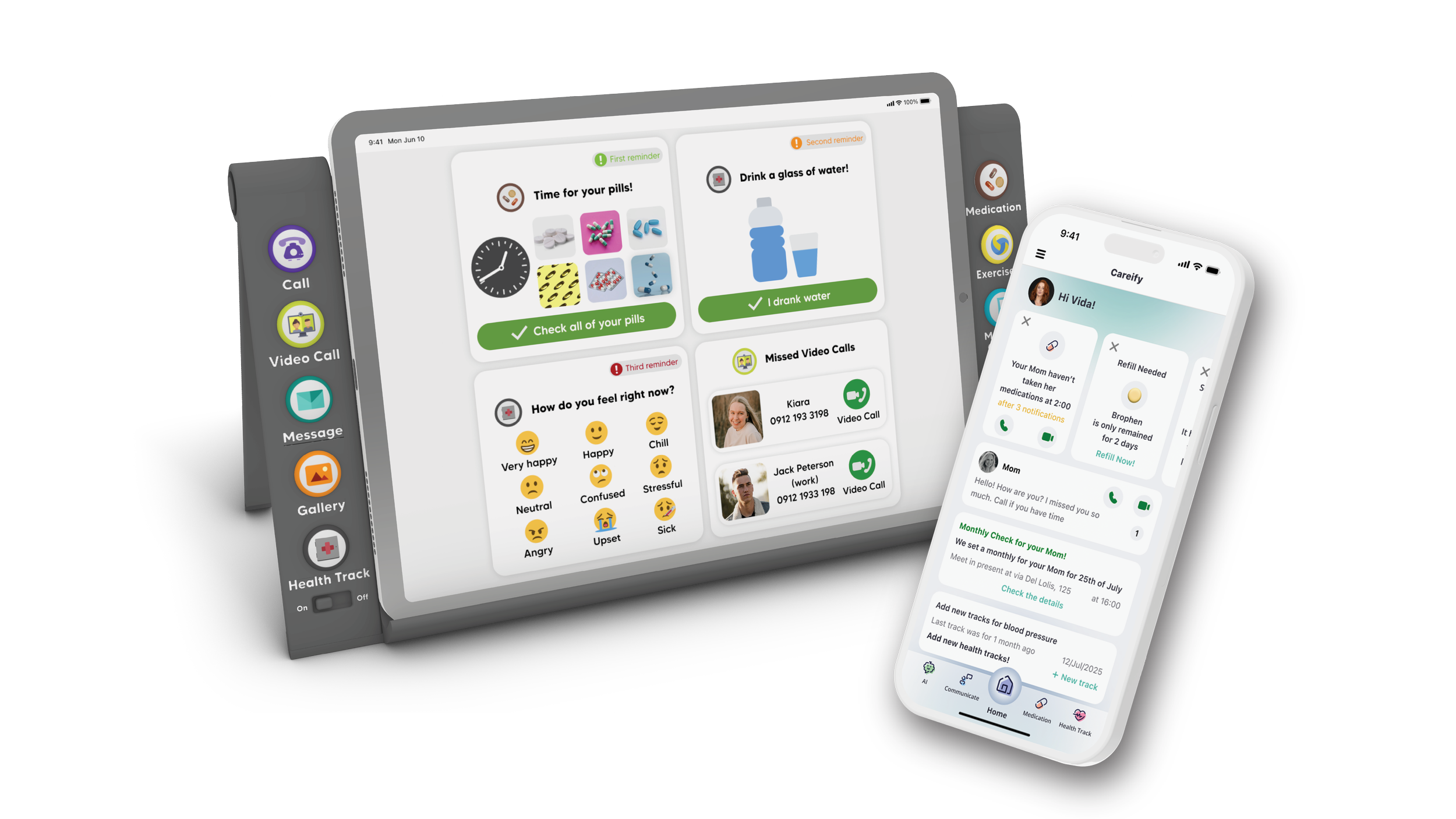
Careify is an AI-powered care ecosystem designed to support older adults and their caregivers. The system combines a simplified tablet operating system, a customizable physical control frame, a caregiver mobile app, and health monitoring features to promote independence, improve communication, and simplify daily care management.
Interactive Prototype (caregiver’s mobile app):

Caregiver’s mobile app
A Vision for Independent Living
Create a connected care system that helps older adults maintain independence while giving caregivers greater confidence, visibility, and peace of mind.

Understanding Daily Care Challenges
Through interviews, observations, and caregiver discussions, I explored the challenges experienced by both older adults and family caregivers. While seniors struggle with independence and technology barriers, caregivers face emotional burnout and limited visibility into daily well-being.

Older Adults
Technology Barriers
Many seniors struggled with complex interfaces, small text, and unfamiliar interactions.
Managing Health Routines
Keeping track of medications, appointments, and health information often required assistance.
Maintaining Independence
Many wanted to remain self-sufficient without relying heavily on family members.
Social Isolation
Limited social interaction contributed to feelings of loneliness and disconnection.
Caregivers
Balancing Responsibilities
Caregivers often managed caregiving alongside work, family, and personal commitments.
Constant Worry
Many felt anxious when they could not easily check on their loved ones.
Coordinating Care
Tracking medications, appointments, and health updates required significant effort.
Emotional Burden
Providing support over long periods often led to stress and burnout.

Key Takeaway
Older adults wanted support without losing their independence, while caregivers wanted reassurance without becoming full-time monitors. The challenge was not simply managing health, but maintaining confidence, connection, and dignity for both groups.

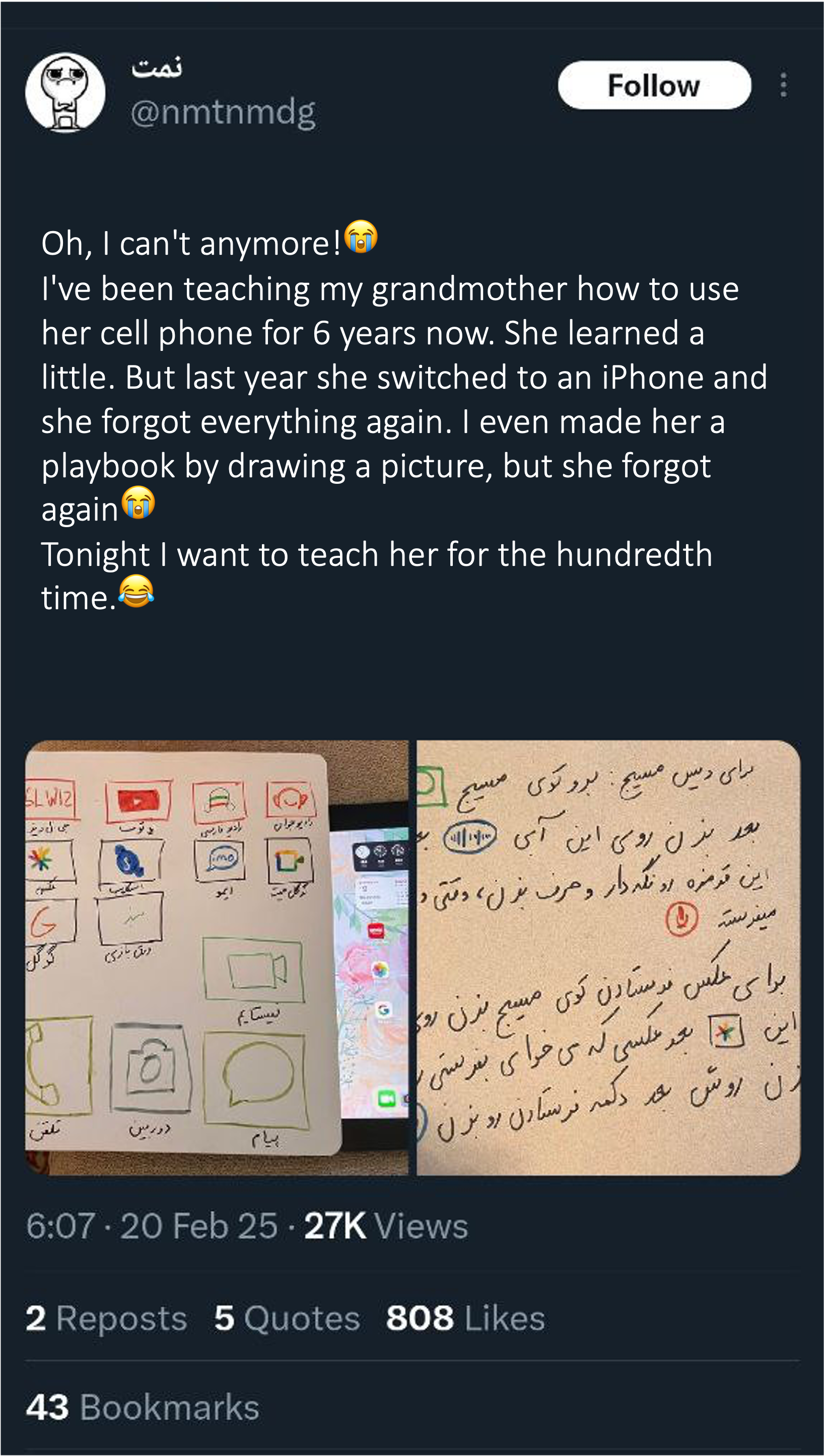
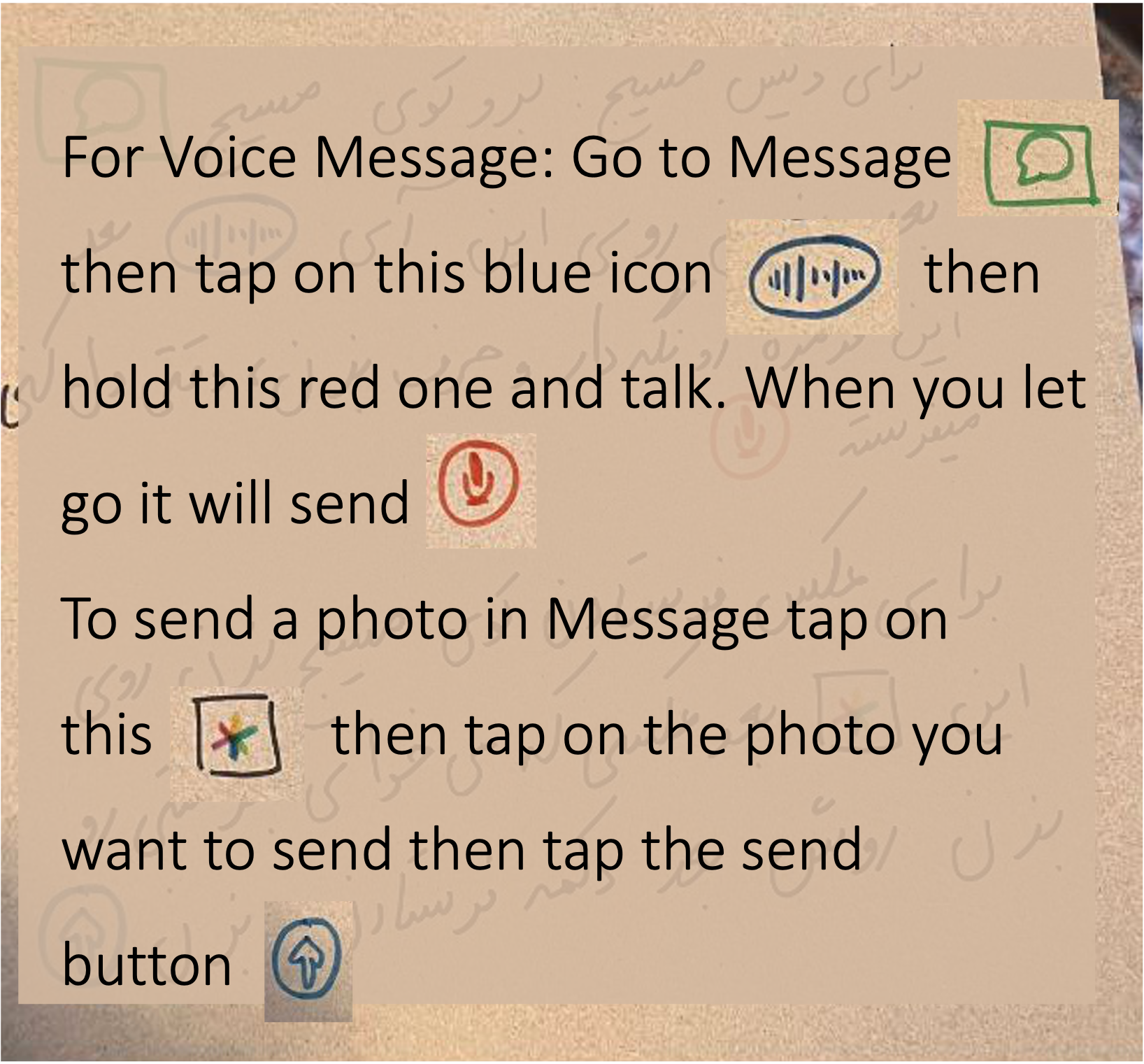
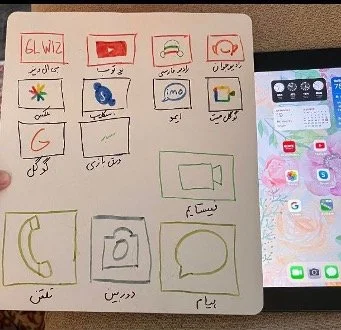
People share the challenges that they faced on social media:
Research & Discovery
To understand the daily realities of older adults and caregivers, I conducted a mixed-method research process combining observations, interviews, surveys, and market analysis. This research helped uncover behavioral patterns, accessibility challenges, and unmet needs that shaped the design direction of Careify.
nterviews & Surveys
10 participants
3 older adults
7 caregivers

Contextual Observations
3 in-home Observations of older adults living with:
Early-stage Alzheimer's
Arthritis
Diabetes
Competitive Analysis
12 elderly-care products analyzed
Including GrandPad, ELLI.Q, Livindi, Claris Companion, Jitterbug Smart3, Nobi Smart Lamp, and others.
Life Between Independence and Support
While many older adults strive to maintain their independence, everyday activities can become increasingly difficult with age. Research highlighted how health management, technology adoption, and daily assistance needs shape their experiences and influence their quality of life.
58%
Struggled with managing the medical care

66%
Struggled with technology adoption
88%
Needed help for their daily life
Learning from What Already Exists
While existing solutions address individual aspects of elderly care, few provide a unified ecosystem that combines accessibility, health management, caregiver support, communication, and AI-powered assistance in one experience.
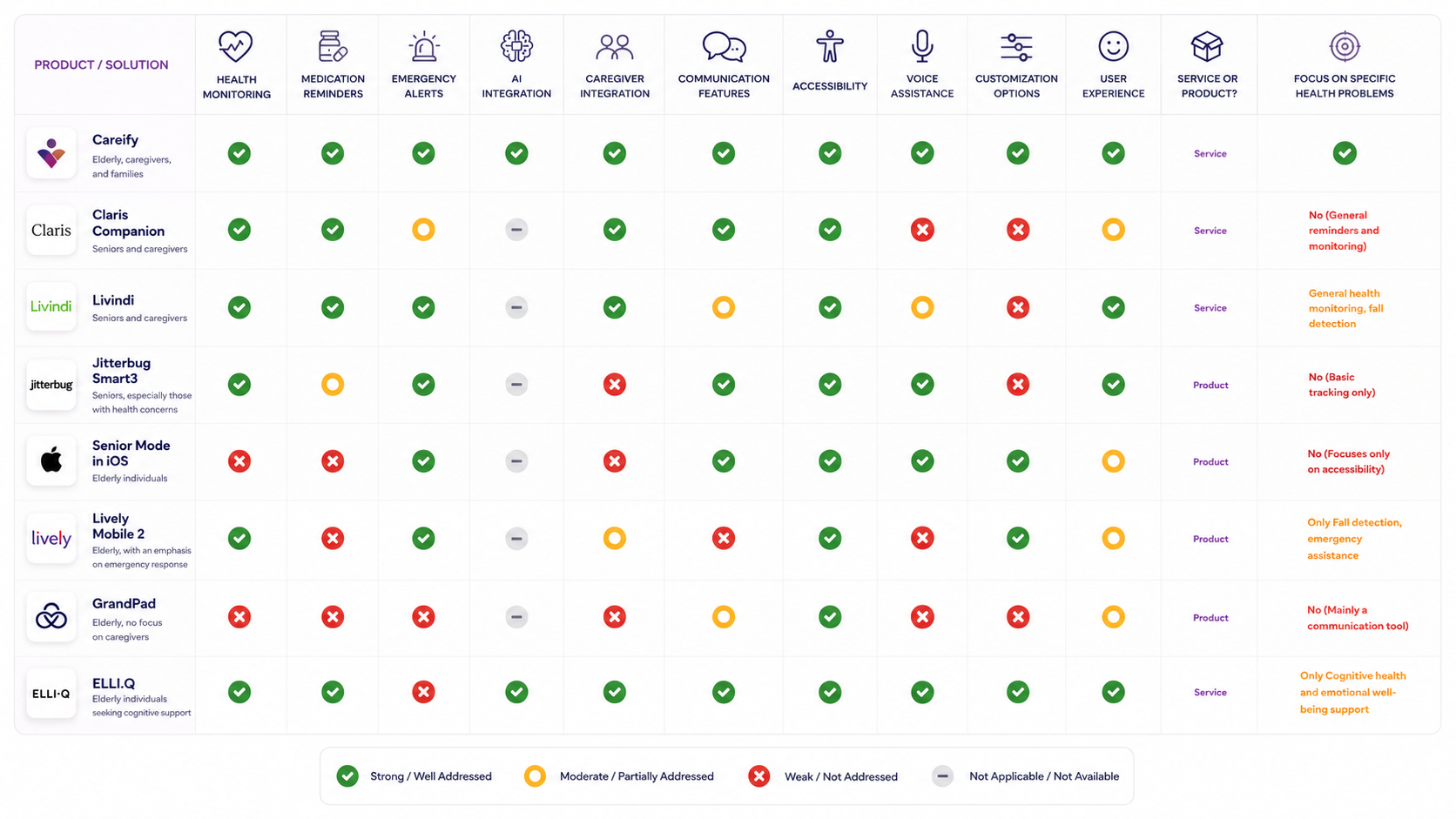
While existing solutions successfully address individual aspects of elderly care, none provide a unified ecosystem that combines accessibility, health management, caregiver support, communication, and AI-powered assistance in a single experience.

Key Insights
Independence Over Assistance
Older adults wanted support that helped them stay independent rather than increasing reliance on others.
Caregivers Need Peace of Mind
Caregivers wanted reassurance about their loved ones' well-being without constant monitoring.

Design Opportunities
Building on the research findings, I identified key opportunities to address the challenges faced by older adults and caregivers. These opportunities guided the design of Careify and helped translate user needs into meaningful solutions.
Support Independent Living
Create tools that help older adults manage daily activities and health routines while maintaining autonomy.
Leads to:
Simplified tablet OS
Personalized settings
Physical control frame

Make Technology More Accessible
Reduce cognitive and physical barriers through intuitive interactions and adaptable interfaces.
Leads to:
Large buttons
High contrast UI
One-touch actions
Bluetooth frame
Simplicity Drives Adoption
Complex interfaces created frustration and reduced confidence in using technology.
Care Solutions Are Fragmented
Existing products addressed individual needs but failed to connect the entire care experience.

Reduce Caregiver Uncertainty
Provide caregivers with greater visibility into their loved one's wellbeing without increasing workload.
Leads to:
Remote monitoring
Health insights & alerts
Medication tracking
Emergency notifications

Create a Connected Care Ecosystem
Bring communication, health management, and caregiver support together in one integrated experience.
Leads to:
Senior app
Caregiver app
AI assistant
Community support
Health & wellness tracking

Designing the Careify Ecosystem
To address these opportunities, Careify was designed as a connected ecosystem that combines accessible technology, AI-powered support, and human care services to support both older adults and caregivers.
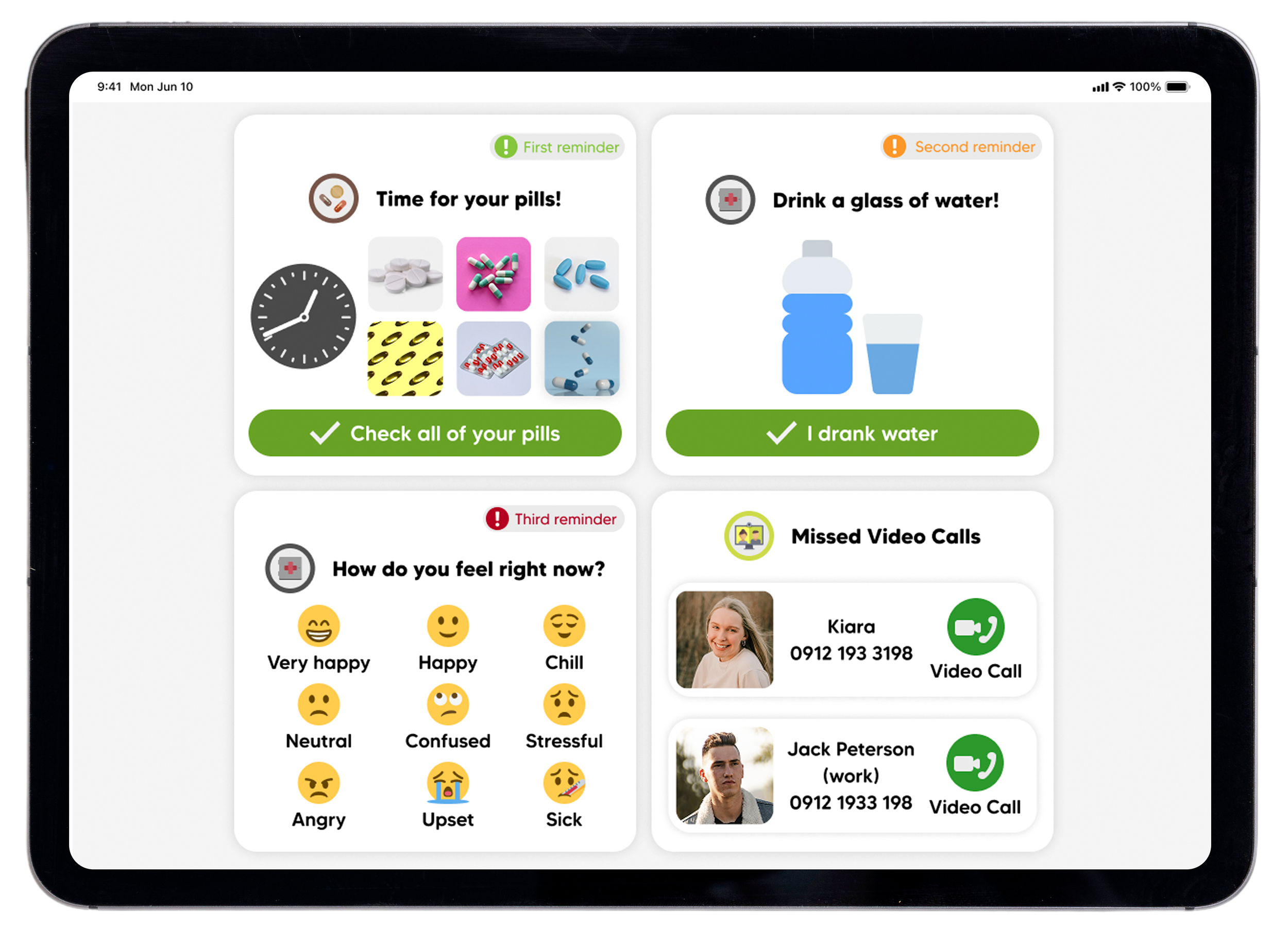
Tablet Operation System for Seniors
Accessible interface designed for daily activities.
+
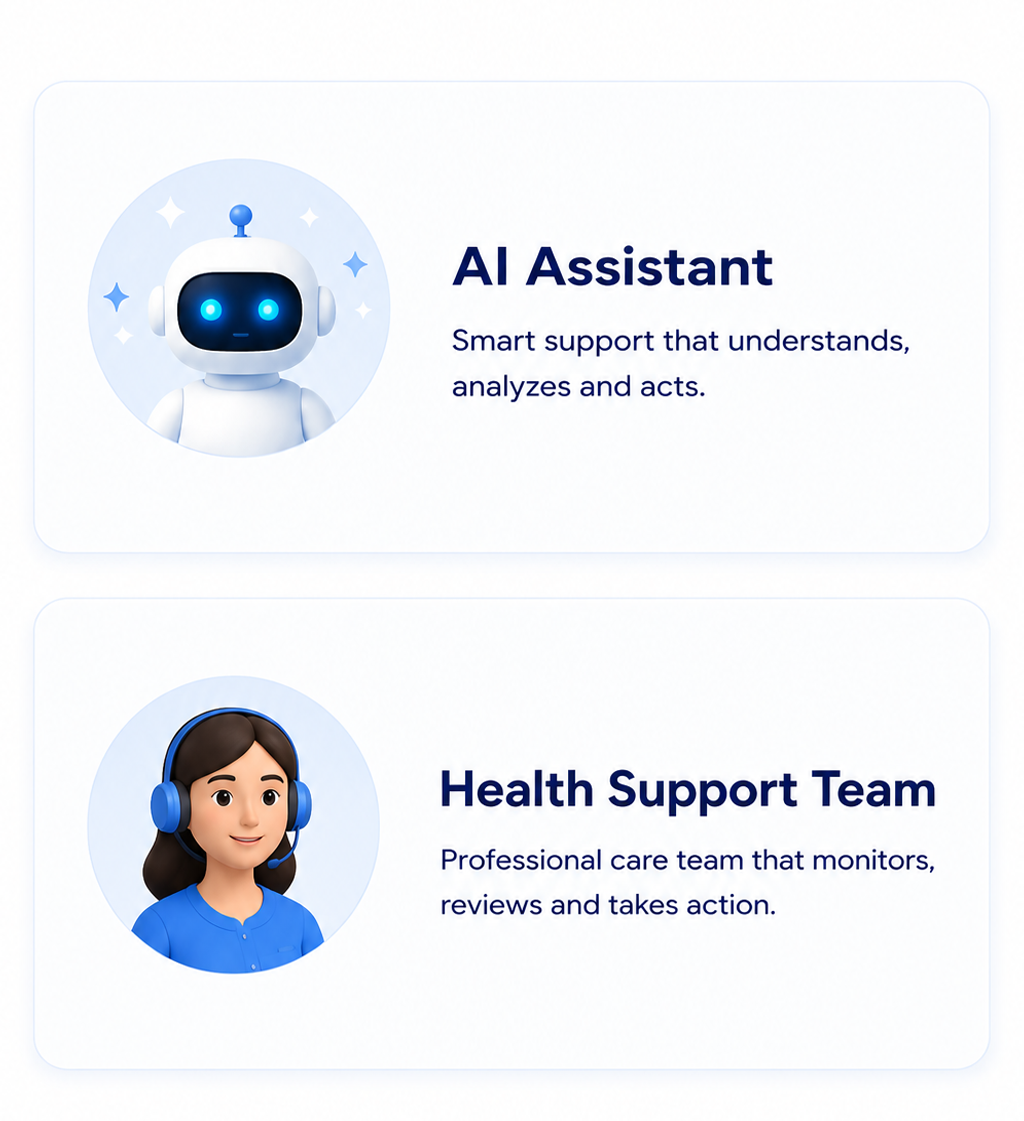
AI Assistant and Health Support Team
Health insights, reminders, and personalized support.
+
+

Physical Tablet Frame for Seniors
Tactile interaction for users with limited digital confidence.
+
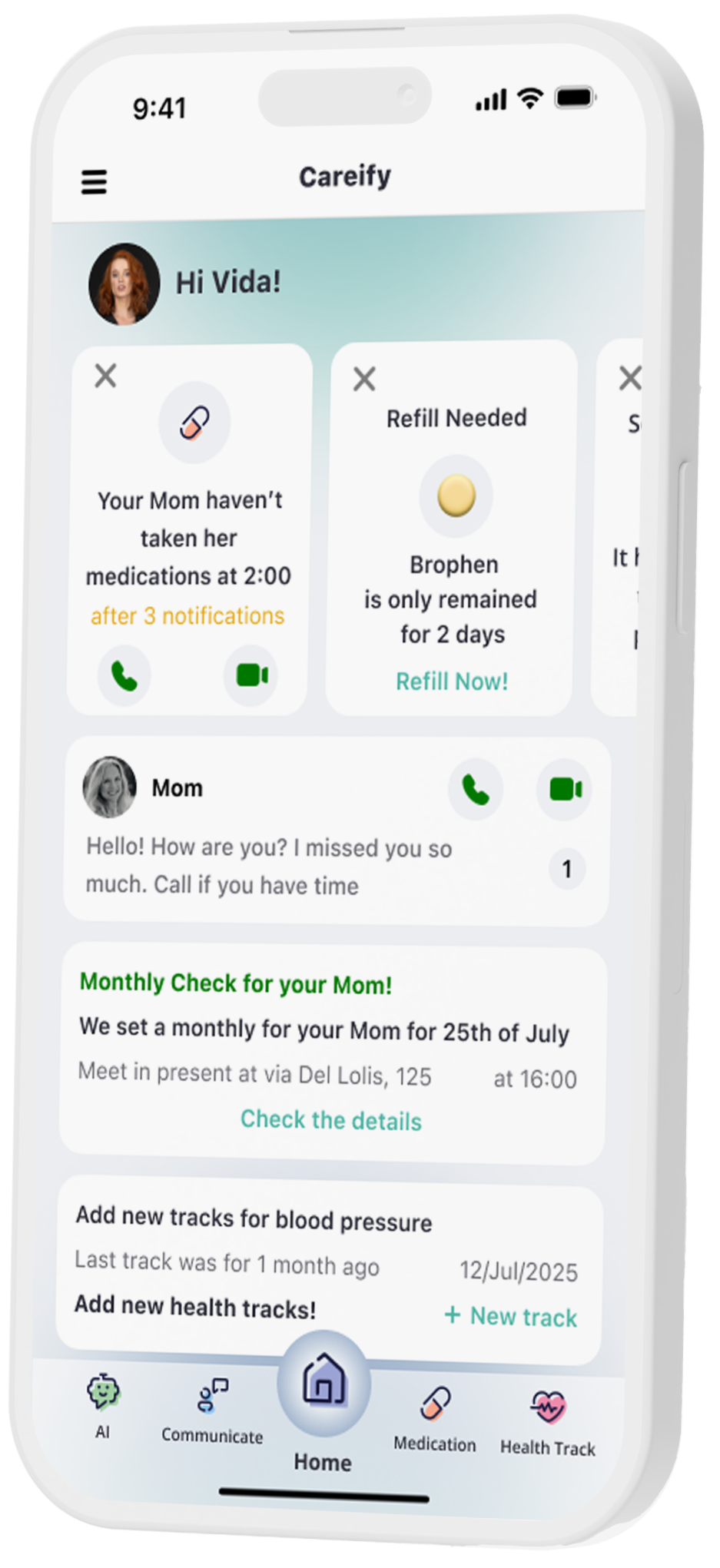
Mobile App for Caregivers
Remote monitoring and care coordination.

From Concept to Care
Guided by research insights and design opportunities, Careify was developed as a connected care ecosystem. Each component was designed to support independence, strengthen communication, and simplify daily care management.
Section 1: Older Adult Experience
Edit and delete contacts in seniors device
Navigate the system with confidence through a simplified and distraction-free interface.
Access essential features instantly using familiar physical controls and one-touch actions.
Stay connected with family through accessible communication tools.
Interact comfortably using large icons, high contrast visuals, and intuitive navigation.
Track health and daily routines independently or with caregiver assistance.
Reach emergency support quickly whenever help is needed.
Receive reminders, guidance, and assistance through voice-enabled AI support.
Medication reminders help older adults follow daily health routines with confidence.

Section 2: Caregiver Experience
Monitor health information and daily activities remotely from a single dashboard.
Receive proactive alerts about medication adherence, inactivity, and potential concerns.
Customize the older adult's interface to match changing needs and abilities.
Track health trends through AI-powered analysis and personalized insights.
Coordinate care through monthly check-ins, follow-ups, and support services.
Connect with caregiver communities, local resources, and support networks.
AI Assistant
Analyze health patterns and identify potential risks.
Provide personalized reminders and recommendations.
Support caregivers with actionable insights and guidance.
Encourage healthier routines through proactive assistance.
Health Support Team
Review health data and follow-up on emerging concerns.
Provide professional guidance and routine wellness check-ins.
Support caregivers in managing ongoing care needs.
Act as a human layer of support alongside AI-driven monitoring.
Adaptive Accessibility

Caregivers can simplify contact features from the app to match the senior’s needs.
As older adults experience changes in memory, vision, mobility, or confidence with technology, their support needs evolve as well. Careify enables caregivers to tailor the experience over time, ensuring that the system remains intuitive, accessible, and empowering at every stage of the aging journey.

Creating Meaningful Impact
Promotes Independent Living
Empowers older adults to manage daily activities, health routines, and communication with greater confidence and autonomy.
Makes Technology More Accessible
Combines simplified digital interfaces with physical controls to reduce barriers to technology adoption.
My Top 4 Learnings for Careify:
Designing for Independence Means Designing for Dignity
Great Care Requires More Than Great Interfaces
Accessibility Should Evolve with the User
This project changed how I think about accessibility. Rather than treating it as a fixed set of guidelines, I learned that interfaces should adapt as users' cognitive and physical abilities change over time.
Provides Peace of Mind for Caregivers
Offers visibility into wellbeing and daily routines without requiring constant monitoring or intervention.
Connects Human and Digital Care
Integrates AI assistance, caregiver support, and professional health services into a unified care experience.
I learned that effective accessibility is not about doing more for users, but about enabling them to do more for themselves. Every design decision should preserve autonomy while providing the right level of support.
I realized that improving elderly care extends beyond designing a single app. Meaningful solutions emerge when digital products, physical interactions, caregivers, and healthcare professionals work together as one connected ecosystem.
Technology Should Strengthen Human Relationships
The most valuable role of AI is not replacing caregivers, but enhancing communication, reducing uncertainty, and giving families more confidence and peace of mind.