Fars Innovation Center
A platform that empowers students through competitive learning, fostering innovation and skill development.

Role:
UI/UX Designer
Timeline:
Feb 2021 - Jul 2021
Highlights:
Focuses on student learning and competition
Teamwork and project-based learning
Skill development and portfolio building
Rewards and recognition
Team:
1 UI/UX Designer, 2 Developers
Tools:
Adobe XD
Category:
UX Design, Web Design, Responsive Design
Problem:
The main challenge was not simply giving students access to learning materials. The challenge was helping them stay motivated, understand how to participate, and find opportunities to apply what they were learning. Without clear competition structures, collaboration tools, and visible rewards, students could lose interest.

A Platform for Learning by Doing
Fars Innovation Center is a digital platform designed to help students move beyond passive online learning and gain practical experience through competitions, teamwork, and skill-building challenges. The platform brings together learning resources, active competitions, team formation, and student recognition to create a more engaging path from studying to building real projects.
Instead of treating learning as a one-way experience, Fars Innovation Center encourages students to apply their skills, collaborate with others, and grow through hands-on participation.
Competitions
Students can discover active challenges and understand how to participate.

Team Formation
Students can find collaborators and join project-based challenges.

Learning Resources
Students can access materials that help them prepare and improve their skills.

Recognition
Students can earn rewards, showcase progress, and build portfolio.


Understanding What Keeps Students Engaged:
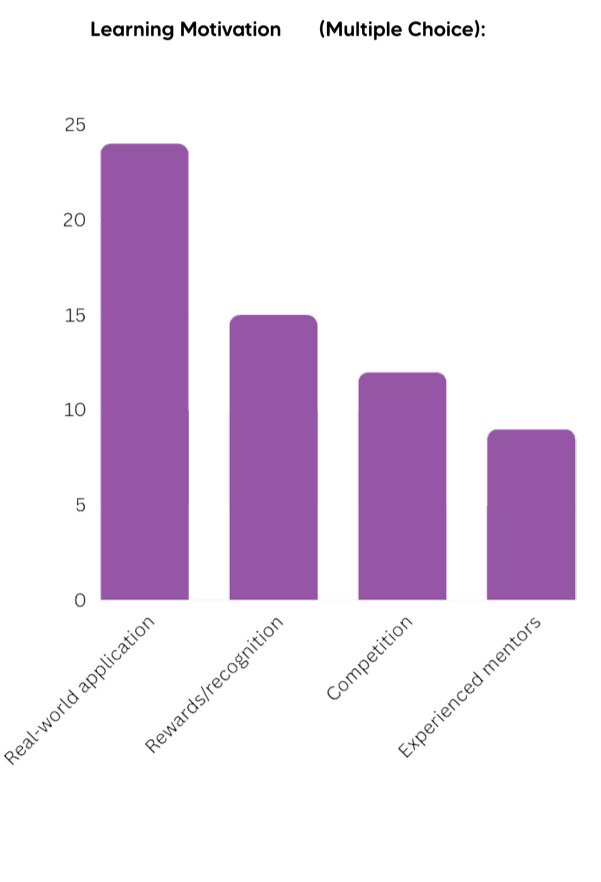
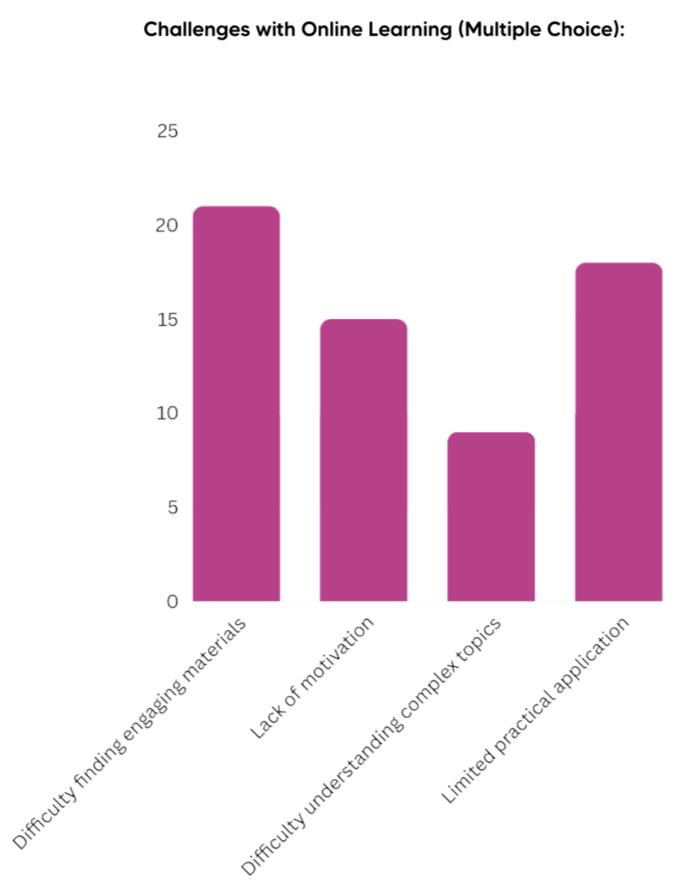
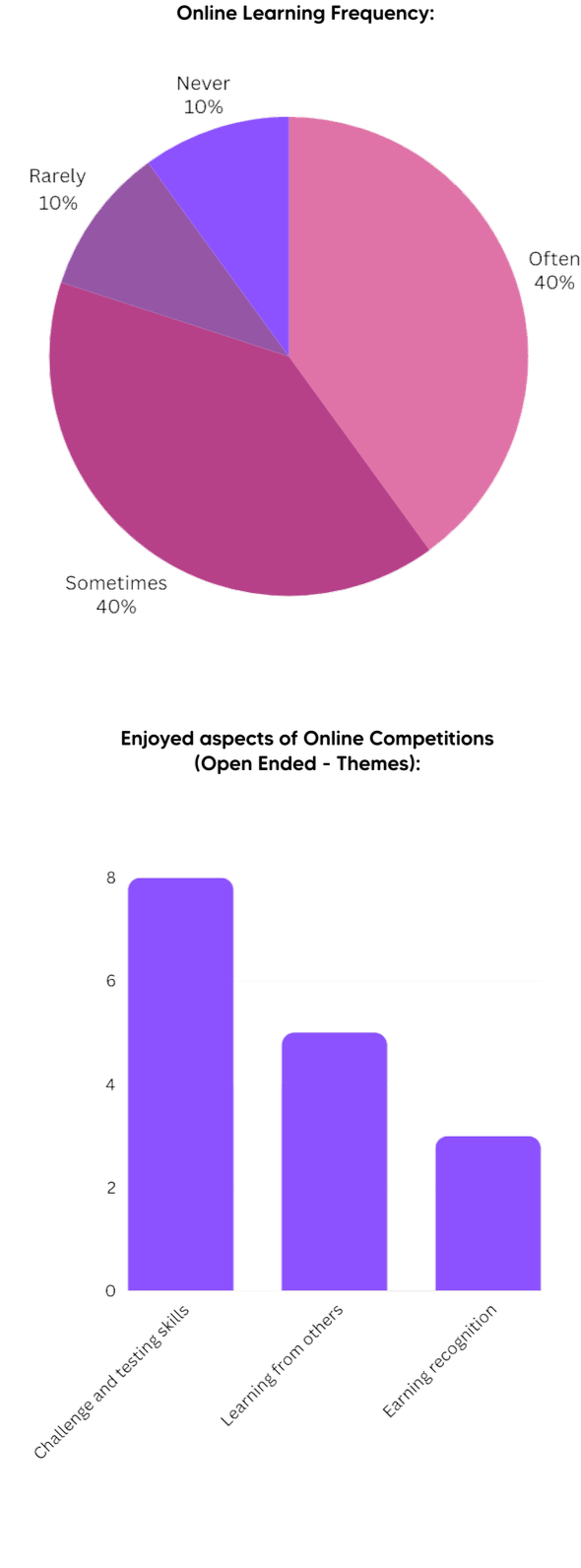
To understand what students needed from a competition-based learning platform, I explored their online learning habits, motivations, and challenges. The research showed that students were interested in learning opportunities that felt practical, social, and rewarding.

Insights
Students wanted practical outcomes
Competition made learning feel more exciting
Collaboration was part of the motivation
Clarity built confidence
They were more motivated when learning helped them build real skills and portfolio-ready work.
Friendly challenges, rewards, and recognition helped create a stronger reason to participate.
Students wanted to work with others, exchange knowledge, and join team-based projects.
Clear requirements, visible steps, and simple navigation were essential for encouraging participation.

Designing for the Ambitious Learner
The research pointed to a key user type: a student who wants to grow beyond classroom learning and gain practical experience. Amanda, the primary persona, represents students who are motivated to build skills, collaborate with peers, and strengthen their portfolio, but need a clearer and more supportive path into competitions.

takeaway
Amanda’s journey showed that motivation alone was not enough. The platform needed to make opportunities easy to find, teams easier to form, and participation less intimidating.

Our Design Opportunity
The opportunity was to design a platform that connects learning with action. Instead of separating courses, competitions, teams, and achievements, Fars Innovation Center brings them into one experience where students can move from discovering an opportunity to joining a team and completing a challenge.
How might we help students turn online learning into a practical, collaborative experience?

From Discovery to Engagement:
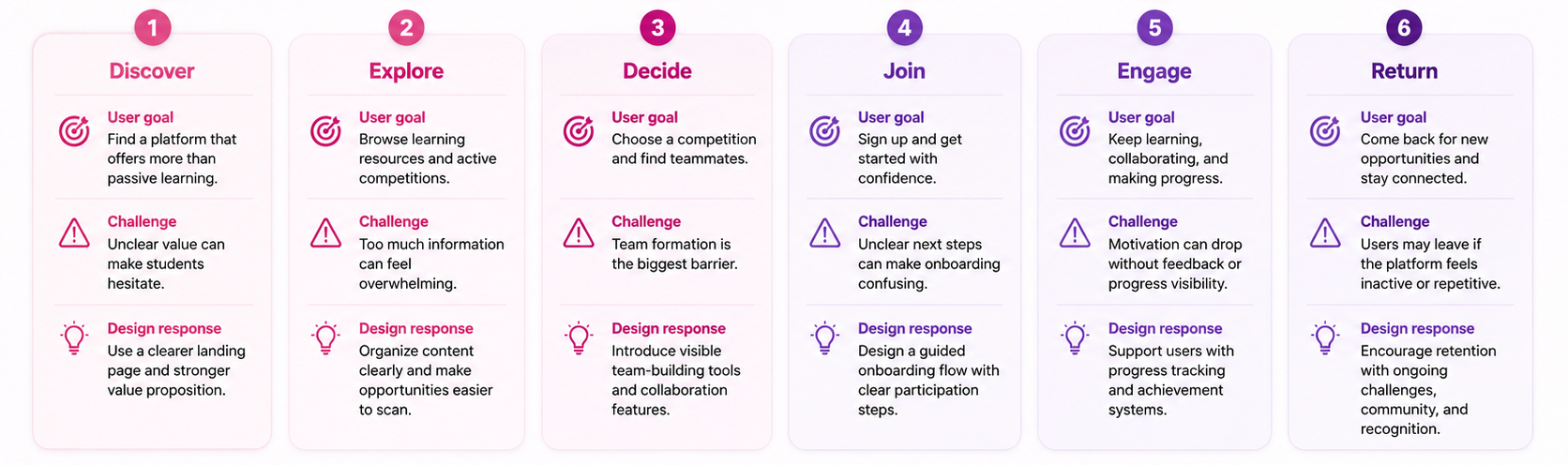
To understand how students move from discovering the platform to becoming active participants, I mapped Amanda’s journey across the key moments of the experience. This helped reveal where users felt motivated, where they hesitated, and what the platform needed to support them.
Key Takeaways:

Clarity matters early
Users need to quickly understand the platform's value.
Team formation is a critical moment
collaboration should be a core feature.
Motivation needs reinforcement
progress, recognition, and fresh opportunities keep students engaged.

Building a Clear Platform Structure:
To support both individual learning and team-based participation, I organized the platform around the main actions students needed to take: explore competitions, access learning resources, create or join teams, manage their profile, and track progress.


Designing the Student Experience:
After identifying that students needed a clearer path from discovering opportunities to joining competitions, I used low-fidelity wireframes to shape the platform’s core experience. The focus was on making the main actions easy to follow: exploring competitions, finding learning resources, creating a profile, forming teams, and accessing community support. At this stage, the wireframes helped turn the research insights into a simple structure, so students would not feel lost before they even had a chance to participate.

Bringing the Learning Experience to Life:
Once the structure was clear, I developed the final prototype to make the platform feel more engaging, motivating, and ready for student use. The final screens use stronger visual hierarchy, clearer calls to action, and a more energetic interface to guide students through competitions, teamwork, and progress tracking. This stage brought the concept closer to the intended experience: a platform where students can quickly understand what is available, feel confident joining a challenge, and stay motivated through visible growth and recognition.

Improving the First Impression:
The landing page needed to quickly communicate why students should join. I refined the page to make the value proposition clearer, highlight active competitions, strengthen calls to action, and create a more engaging visual rhythm.

Clear Communication: I implemented clean and readable fonts, with better contrast for ensuring users can clearly understand the platform's value proposition.
Brighter and Bolder: I reduced the dark color scheme for a more vibrant and visually appealing layout. Improved contrast between elements makes the page easier to navigate.
Active Projects Take Center Stage: Gone are the inactive projects section. Students only see ongoing exciting projects they can participate in.
Eye-Catching Cards: The project cards received a makeover! We enhanced their design to attract more student attention and encourage clicks.
Focus on Action: Detailed process descriptions are not attracting attention (change color while hovering). This keeps the landing page concise and focuses on prompting user action.
Visual Appeal: I streamlined project images and added engaging visuals to enhance the overall user experience.
Informative Footer: I included a contact section and additional visuals, providing users with valuable information and resources.
The Final Platform:
The final design brings together competitions, learning resources, team-building tools, and student profiles into one connected experience. Students can discover opportunities, prepare with relevant materials, collaborate with peers, and gain recognition for completed work.
Discover Competitions
Students can explore active challenges and understand how to participate.
Track Progress
Profiles and achievement features help students see growth over time.
Build a Team
Prepare with Resources
Learning materials support students before and during competitions.
Team tools help students find collaborators and join projects with more confidence.
Gain Recognition
Rewards and completed projects support motivation and portfolio development.

Why It Matters?

Supports teamwork through team formation tools
Encourages students to apply skills through real-world challenges

What This Project Taught Me:
1
3
Motivation needs structure
2
Connects learning activities to portfolio development

Collaboration should be designed early
Clarity builds confidence
4
Progress keeps users moving
Makes competition opportunities easier to discover and understand